

Weightloss, Body Fat Percentage, and Executive Performance: A Practical Guide
In the online world, “weightloss” is often reduced to quick fixes, scale drops, and before-and-after photos. In real health care, especially concierge medicine and sports medicine, weight loss is about improving body composition, protecting performance, and reducing long-term health risk. This guide is for executives, athletes, and health-focused adults seeking sustainable weight loss and improved performance. Understanding the science behind weight loss and body composition is crucial for long-term health, performance, and disease prevention.
This guide explains how to measure body fat, set a healthy weight target, and build weight loss strategies that support strength, energy, and better health.
What “Successful Weight Loss” Really Means (Answer This First)
Effective weight loss means reducing excess body fat while protecting muscle, bone mass, organ health, and performance. The goal is not simply to lower scale weight; it is to improve the quality of a person’s body.
Body weight is the total number on the scale. Body mass is the total amount of tissue, fluid, fat, muscle, and bone in the body. Body composition explains what that weight is made of. Two people can be the same height and weigh 180 pounds, but one may have 25 percent body fat while the other has 15 percent body fat. Their metabolic rate, training capacity, and health risk may be very different.
From Dr. Jennifer Miranda and PURE executive health & wellness’ perspective, performance-focused weight loss protects lean body mass, fat free mass, strength, cognition, hormone health, and recovery. This matters whether you are training for collegiate or professional sports, improving CrossFit performance, or optimizing executive well being.
For most adults, a steady, safe weight loss goal is to aim for a loss of 1 to 2 pounds per week through creating a calorie deficit. The Centers for Disease Control and Prevention is a national public health institute in the United States and recommends this general pace for sustainable progress. Always consult a healthcare provider before starting any new diet or exercise regimen.
The rest of this article will help you estimate body fat, choose a realistic target, and create an evidence-based weight loss program without chasing fads.

Body Fat, Body Mass Index, and Body Composition: Why the Scale Isn’t Enough
The scale is useful, but it is incomplete. Here are the key terms:
Body fat is fat tissue, including essential body fat and storage body fat. Essential body fat supports life and reproductive functions, while storage body fat in adipose tissue is used for energy reserve and insulation.
Body fat percentage is the portion of total body weight made up of fat. For example, 25% body fat at 80 kg equals 20 kg of fat mass and 60 kg of lean mass.
Fat percentage, percent body fat, and body fat percentage are often used interchangeably.
Body mass index is a height ratio calculated as kilograms divided by height in meters squared. A person who is 175 cm and 86 kg has a BMI of 86 ÷ 1.75², or about 28.1. WHO categories generally define normal weight as 18.5–24.9, overweight as 25–29.9, and obesity as 30 or higher.
Body composition is the full picture: fat mass, muscle, water, organs, connective tissue structure, and bone density.
BMI has limitations. BMI does not distinguish between lean muscle and fat mass, so it can misclassify people with high muscle mass, including but not limited to athletes, as overweight or obese despite a low body fat percentage. The BMI calculation does not account for factors such as gender, age, or ethnicity, which can affect its accuracy and validity across different populations. BMI may mislead individuals about their health status, as it does not provide information about fat distribution across a person’s body or the presence of visceral fat, which is a significant health risk factor.
Excess body fat, particularly visceral fat inside the abdominal cavity, is associated with higher LDL cholesterol and insulin resistance, which can lead to serious health issues such as cardiovascular disease, type 2 diabetes, and heart disease. The World Health Organization classifies obesity as one of the leading preventable causes of death worldwide, estimated to claim between 111,909 to 365,000 deaths per year in the U.S.
General body fat ranges vary. The American Council on Exercise commonly cites athletic ranges around 6–13% for men and 14–20% for women, with higher “fitness” and average ranges above that. Average body fat percentage for males in the U.S. ranges from 23% at ages 16–19 to 31% at ages 60–79, while for females, it ranges from 32% at ages 8–11 to 42% at ages 60–79, showing major age and sex variation. Your ideal body fat percentage should be personalized.
How to Estimate Your Body Fat: From At‑Home Tools to Lab‑Grade Testing
There is no perfect way to measure body fat for everyone. Common methods range from a body fat calculator at home to medical-grade body fat measurement in specialized facilities.
PURE executive health & wellness uses multi-method body composition assessments during Executive Physicals to improve accurate results and track body fat trends over months and years. For day-to-day progress, using the same method under the same conditions is more useful than chasing tiny differences between other methods.
Underwater Weighing and Air Displacement Plethysmography
Underwater weighing and air displacement plethysmography are highly accurate lab-based density methods. They estimate body volume, calculate body density, and then estimate body fat.
Hydrostatic weighing, also called underwater weighing, involves weighing a person on land, submerging the body in water, measuring displaced water volume, and calculating body density. The method can be accurate, but it requires a tank, trained staff, full submersion, and the ability to expel air. It is not ideal for people uncomfortable in water or with respiratory health issues.
Air displacement plethysmography, commonly known by the bod pod, uses air displacement instead of water. This dry method usually takes about 5–10 minutes, is comfortable, and is often used in sports medicine, local gyms, research centers, and executive health programs.
Limitations matter. At extremes of body fat, air displacement may underestimate fat in very obese people or overestimate fat in very lean athletes by several points compared with DXA.
DXA, Bioelectrical Impedance, and Other Composition Technologies
These tools go beyond body mass index to map body fat, muscle, and bone. Dual-energy X-ray absorptiometry, or DXA/DEXA, uses two low-dose X-ray beams to differentiate bone, lean tissue, and fat content. It provides regional detail, including abdominal fat, hip fat, arm fat, visceral fat, and bone mineral density.
Dual energy X-ray absorptiometry (DEXA) is a highly accurate method for measuring body fat percentage and body composition, but it is often expensive and requires access to specialized facilities. A scan usually takes 10–20 minutes and involves low radiation exposure, often compared with a short flight.
Bioelectrical impedance analysis sends a small painless current through electrodes on a scale or handheld device. Resistance helps estimate total body water, then lean mass and fat percentage. Hydration, time of day, recent exercise, alcohol, and device quality can change results, so use the same device at the same time of day.
Other methods include near-infrared interactance and advanced multi-compartment models that combine DXA with body water measures. These are often used in research or high-end clinics and are described in sources such as the National Academy of Medicine and clinical literature in the British Journal of Sports Medicine.
Skinfolds, Circumference Methods, and Online Body Fat Calculators
These are more accessible ways to estimate body fat at home, in local gyms, or in field testing.
Skinfold measurements with calipers are commonly used to measure the thickness of skinfolds at multiple sites on a person’s body to estimate body fat percentage, with accuracy improving when the same trained professional takes the measurements consistently. A skinfold test measures skinfold thickness over subcutaneous fat at sites such as triceps, abdomen, and thigh.
The U.S. Navy method for calculating body fat percentage requires specific circumference measurements of the neck and abdomen for men, and neck, waist, and hips for women, which are then used in logarithmic equations to estimate body fat. The U.S. Navy method for measuring body fat involves taking specific circumference measurements of the neck and abdomen for men, and neck, waist, and hips for women, which are then used in logarithmic equations to estimate body fat percentage. The navy method has roots in military testing, including work associated with the naval health research center.
Body fat percentage can be estimated using the BMI method, which involves calculating BMI based on height and weight, and then applying specific formulas that take age and sex into account to derive body fat percentage. Online calculators combine BMI, age, sex, and circumference data. Use them as a ballpark way to measure fat, not as a final diagnosis.
Setting a Healthy Weight Loss Target: From Body Fat Percentage to Goal Weight
A healthy weight target should start with overall body composition, not an arbitrary number. First estimate fat mass and lean body mass. If a 90 kg man has 25% body fat, he carries 22.5 kg of fat and 67.5 kg of lean mass. If his target is 15% body fat, estimated goal weight is 67.5 ÷ 0.85, or 79.4 kg.
For many health-focused adults, a practical target may be about 10–20% body fat for men and 20–30% for women. Athletic ranges can be lower, but extremely low body fat percentages may cause detrimental effects on hormones, immunity, mood, bone health, and reproductive functions. This is especially important for women and for executives who need stable energy.
Revisit targets every 8–12 weeks because the same person can gain muscle, lose fat, shift water, and change training capacity. A body fat calculator, BIA device, DXA, or air displacement test should guide the trend, not dictate your self-worth.
Creating a Sustainable Calorie Deficit Without Sacrificing Performance
Weight loss fundamentally works by creating a calorie deficit, which occurs when your body expends more energy than it consumes. Successful weight loss relies on a sustainable energy deficit through a balanced diet, consistent physical activity, and permanent lifestyle changes.
For many adults, a 300–700 calorie daily deficit supports fat loss while reducing the risk of muscle loss. Basal Metabolic Rate (BMR) accounts for roughly 60–75% of your total burn and is the baseline energy your body needs just to stay alive at rest. Aging naturally leads to a loss of skeletal muscle mass, resulting in a decreased Basal Metabolic Rate (BMR). Your genetic makeup influences your baseline metabolic rate and how your body responds to a calorie deficit.
Protein matters. Many active adults do well around 1.6–2.2 grams of protein per kilogram of body weight, especially with resistance training. The Thermic Effect of Food (TEF) is the energy required to digest, absorb, and process nutrients, with protein having the highest thermic effect.
Plan meals around lean proteins, high-fiber vegetables, whole grains, healthy fats, and water. Staying hydrated by swapping high-calorie drinks for water can assist in weight loss efforts. Tracking your progress through a log of meals and exercise can help maintain accountability and motivation during weight loss.
Dietary Strategies That Work in Real Life
Different patterns can help people lose weight if they create a deficit and fit real life. Balanced hypocaloric eating keeps all macronutrients while reducing portions, refined carbohydrates, added sugars, alcohol, and saturated fats.
A simple structure works well:
2–3 main meals
1–2 protein-focused snacks
vegetables at most meals
planned carbohydrates around training
minimal ultra-processed foods
Mediterranean-style, higher-protein, and time-restricted eating can all work. The best choice is the one you can repeat during travel, work pressure, training blocks, and family members’ schedules. Very-low-calorie diets can have a negative reputation for good reason: without medical supervision, they may increase fatigue, lean mass loss, and rebound weight gain.
Weight regulation is heavily moderated by hunger and satiety hormones. Ghrelin is known as the hunger hormone and its levels spike significantly when you lose weight, signaling your brain to eat more. Leptin is produced by fat cells and signals fullness; its levels drop as you shed fat, reducing your baseline sense of satisfaction after meals.
Movement, Training, and Metabolism
Physical activity improves insulin sensitivity, preserves muscle, and supports long-term health independent of scale weight. Exercise Activity Thermogenesis (EAT) is the calories burned during deliberate and structured workouts. Non-Exercise Activity Thermogenesis (NEAT) refers to the energy used for everything that is not sleeping, eating, or sports-like exercise.
A realistic framework includes:
resistance or weight exercises at least twice a week to help preserve lean muscle mass and boost metabolism
2–4 total strength sessions weekly when appropriate
150–300 minutes of moderate aerobic activity weekly, or equivalent vigorous work
walking meetings, stairs, and short movement breaks
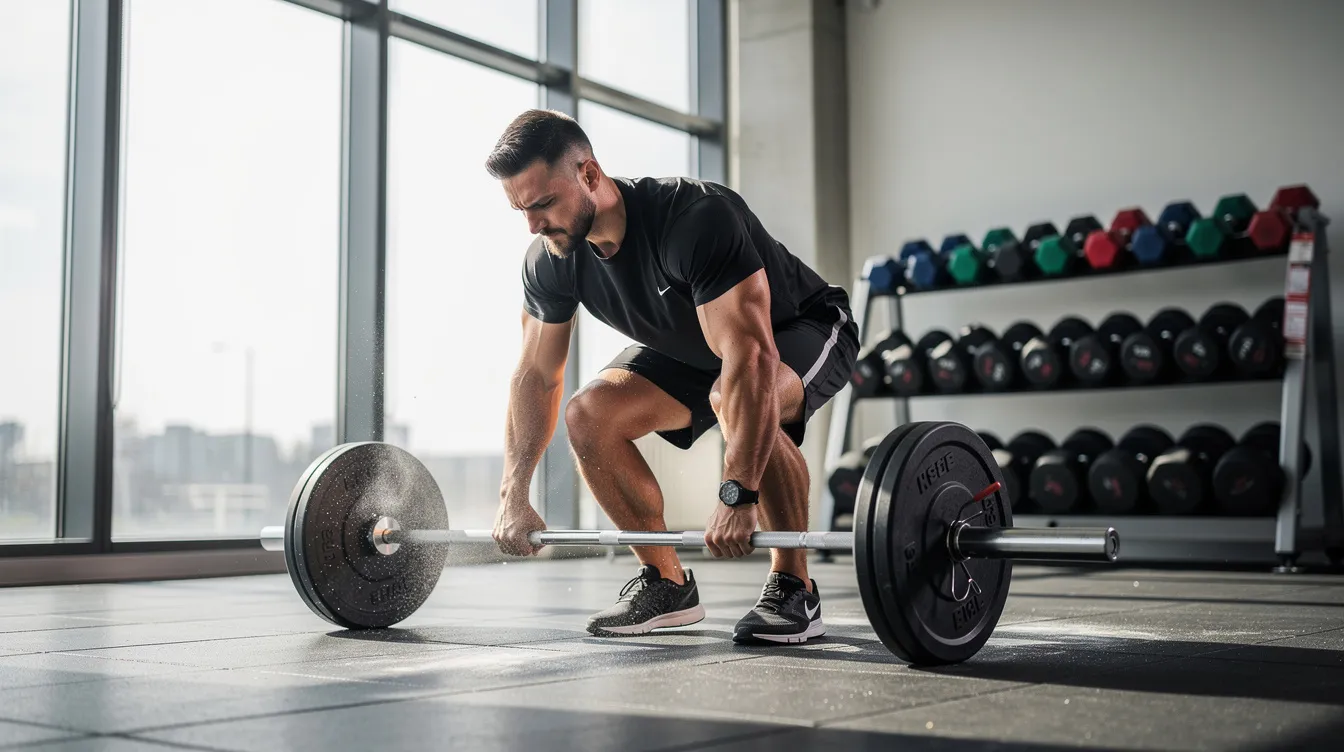
Incorporating resistance or weight exercises at least twice a week helps preserve lean muscle mass and boost metabolism. At PURE executive health & wellness, activity plans can be tied to measured changes in body composition so weight loss efforts protect performance.
Beyond the Numbers: Sleep, Stress, Hormones, and High-Performance Health
Weight loss does not happen in isolation. Sleep, stress, hormones, mental health, medications, and medical conditions can affect body fat, appetite, and body mass.
Sleep deprivation, defined as getting six hours or less per night, disrupts metabolic health by spiking ghrelin and lowering leptin. Chronic sleep restriction can increase cravings, reduce insulin sensitivity, and make excess weight harder to lose.
Cortisol, a hormone elevated by chronic stress, promotes fat retention and drives cravings for highly caloric foods. Chronic stress can also push visceral fat accumulation and stall progress even when diet and exercise look “perfect” on paper.
Medical issues such as hypothyroidism, PCOS, sleep apnea, low testosterone, menopause-related hormone shifts, antidepressants, steroids, and other medications can change body composition. Executive Physicals help screen metabolic, hormonal, and cardiovascular risk factors early, allowing safer and more personalized care.
Tracking Progress: What to Measure-and How Often
Use multiple markers:
body weight weekly, under similar conditions
waist and hip circumference monthly
body fat percentage every 4–12 weeks
strength, endurance, and CrossFit or sport performance
sleep, mood, energy, and recovery
labs such as fasting glucose, lipids, and inflammatory markers
Body fat calculators and BIA devices are better for trends than daily precision. Menstrual cycles, salt intake, travel, hydration, and hard training can mask fat loss with water shifts.
Temporary plateaus are normal. As fat mass decreases, energy expenditure falls. NEAT often drops without awareness, and appetite hormones push back. Professional interpretation helps you maintain weight loss without overcorrecting.

When to Seek Professional Help and How PURE Executive Health & Wellness Fits In
Weight loss is often more complex than “eat less, move more,” especially for high-performing people with travel, stress, demanding schedules, and athletic goals.
Seek expert support if you have BMI over about 30, rapid weight gain, suspected hormonal or metabolic issues, heart disease risk, history of yo-yo dieting, disordered eating concerns, or competitive sport demands.
Comprehensive Executive Physicals at PURE executive health & wellness can include advanced body composition testing such as DXA or air displacement plethysmography where available, detailed lab work, cardiovascular assessment, and individualized coaching. Whether you want a healthy weight, better performance in CrossFit, or lower increased risk from excess body fat, knowing your baseline is a crucial first step.
Our approach is proactive, data-informed, and personal. It is designed to help you lose weight, protect performance, and build health that lasts.
Stay healthy my friends.
Dr. Jennifer Miranda
PURE executive health & wellness
The exceptional medicine and experience you deserve.